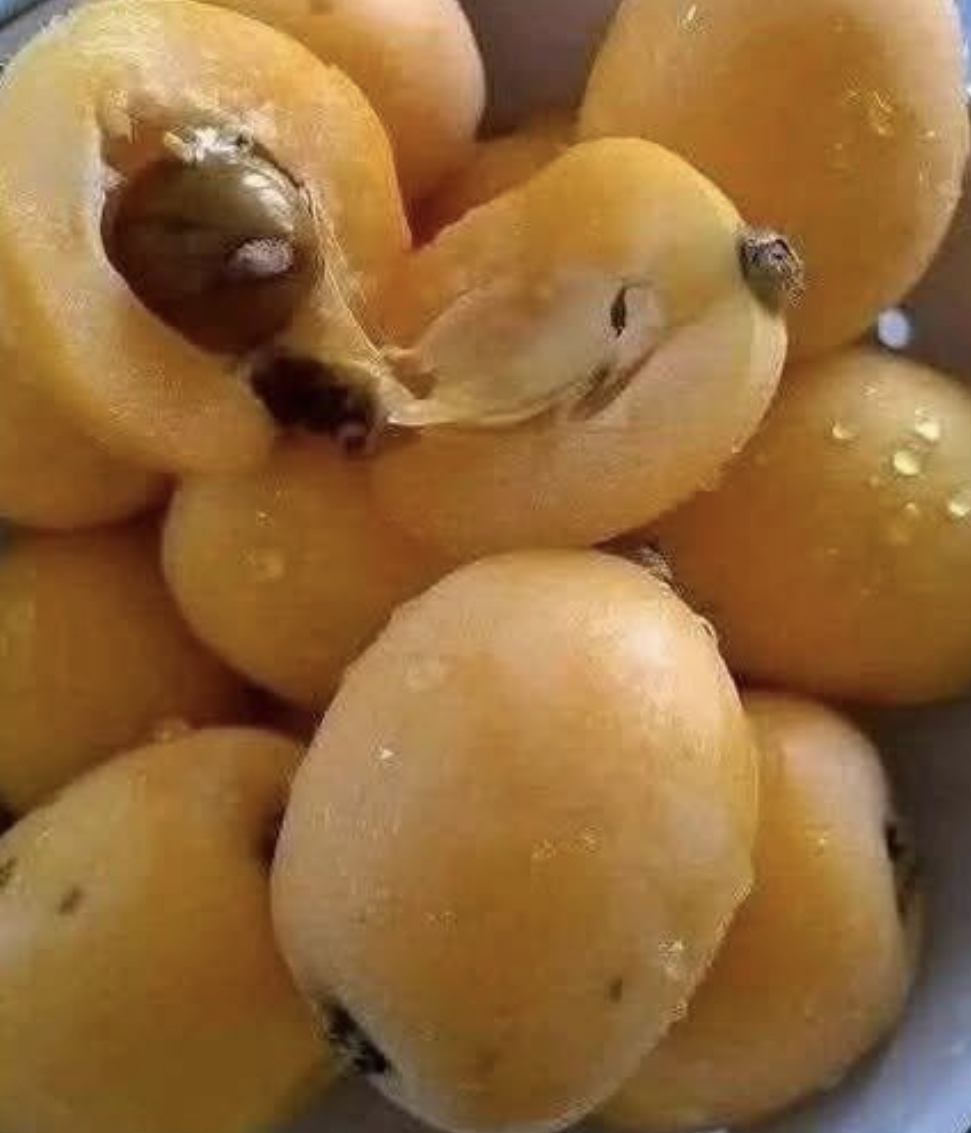
This Traditional Apricot (Mishmish) Jam highlights the vibrant, concentrated sweetness of ripe summer apricots. Allowing the fruit to sit with sugar before cooking draws out its natural juices, creating a rich flavor and glossy texture—without the need for added pectin. The result is a beautifully set, old-fashioned jam that tastes just like summer in a jar.
Ingredients
-
2 lbs fresh apricots (Mishmish)
-
1½–2 cups sugar (adjust to taste and fruit sweetness)
-
2 tablespoons lemon juice
-
¼ cup water (optional, if fruit is very dry)
Instructions
Step 1: Prepare the Apricots
Rinse the apricots thoroughly. Slice them in half and remove the pits. Peeling is optional—leaving the skins on adds color and fiber. Chop the fruit into small, uniform pieces.
Step 2: Macerate the Fruit
Place the chopped apricots in a heavy-bottomed pot. Add the sugar and lemon juice, then stir gently to combine. Let the mixture rest at room temperature for 30 minutes.
During this time, the sugar will draw out the fruit’s natural juices, forming a light syrup.
Step 3: Cook the Jam
Set the pot over medium-low heat and bring the mixture to a gentle simmer. Reduce heat to low and cook for 30–50 minutes, stirring occasionally to prevent sticking or burning. As it cooks, the jam will thicken and develop a glossy finish.
Tip: For a smoother texture, lightly mash the fruit with a potato masher halfway through cooking.
Step 4: Test for Doneness
To test if the jam is ready, spoon a small amount onto a chilled plate. After 1 minute, gently push it with your finger. If the surface wrinkles and holds its shape, the jam has set.
Step 5: Store the Jam
Carefully transfer the hot jam into sterilized glass jars and seal tightly.
-
Refrigerate for up to 3 weeks, or
-
For longer storage, process the jars using a boiling water bath according to safe canning guidelines.
Tips for Best Results
-
Use ripe, fragrant apricots for the best flavor
-
Adjust sugar depending on how sweet the fruit is
-
Stir regularly near the end of cooking to avoid scorching
-
Jam thickens further as it cools